
Field Ornithological Station
"Vistula Camp"
As part of the Vistula Camp activities, we continue the ornithological research in the Middle Vistula Valley that began in 1983. Since 2021, we have been operating continuously from April to October, carrying out nature conservation, scientific research, and environmental education.
About us
The history of this long‑term project began in 1983, when Dr. Marek Keller, together with the Ornithological Section of the Forestry Students’ Scientific Association at Warsaw University of Life Sciences, organized the first edition of the camp on the Vistula River, then focused on studying autumn bird migration. This topic remained the main area of monitoring in the following years, up until 2021, when the season was extended to six months of uninterrupted activity.
Since then, the scope of our work has expanded significantly:
Scientific research
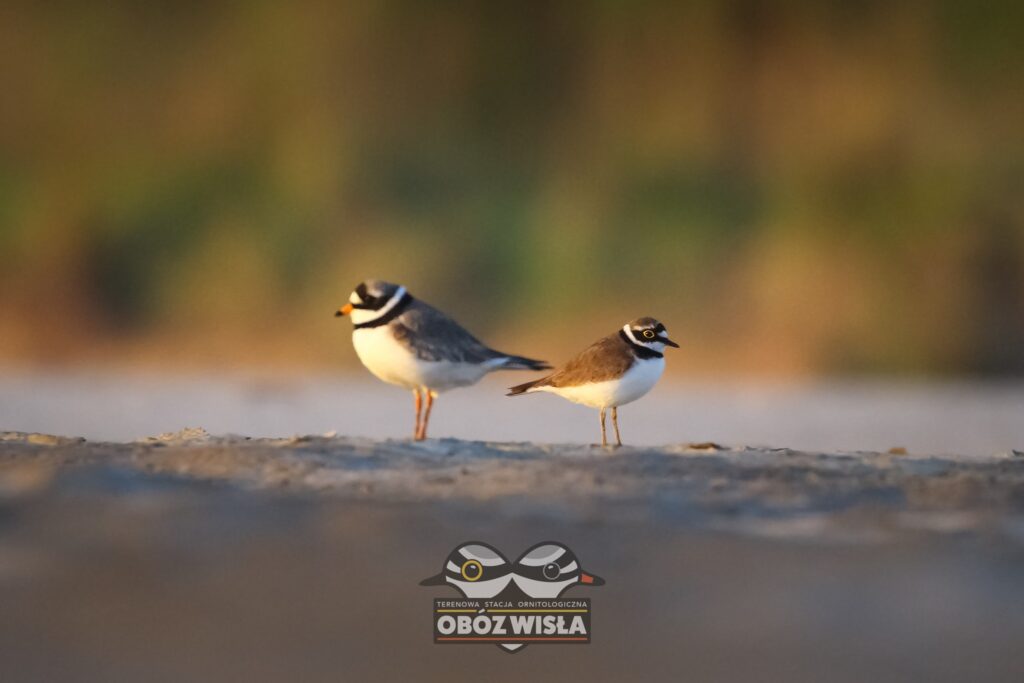
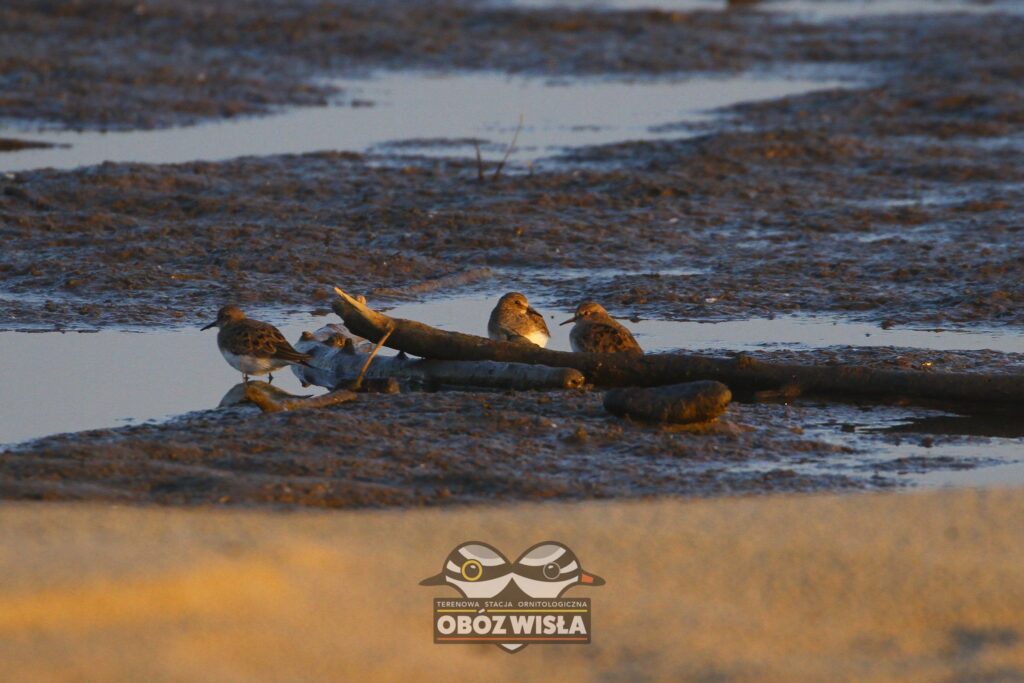
We continue to monitor autumn bird migration, and we have also introduced research on spring migration and the breeding season. To track the fate of individual birds, we use bird ringing in cooperation with the Ornithological Station of the Museum and Institute of Zoology of the Polish Academy of Sciences (we hold permits issued by the Ministry of Climate and Environment). We also conduct observational studies, particularly during the highly labor‑intensive monitoring of wader productivity — within a permanent study plot, we assess the breeding success of Little Ringed Plovers, Common Terns, Common Sandpipers, Common Gulls, and Eurasian Oystercatchers.
Nature conservation
The unique natural habitats of the wild Vistula riverbed in its middle course are a key refuge for species of national conservation importance, including the Ringed Plover, Little Tern, and Eurasian Oystercatcher. This sensitive ecosystem is losing more and more space to function due to rapidly increasing human pressure. During the breeding season, we mark nesting colonies with informational signs so that people know where they should not enter in order to avoid disturbing the birds. In addition, we provide special care for the endangered ringed plovers, whose nests we protect with special wire enclosures that almost completely eliminate predation by mammals and corvids during the egg‑incubation stage.
Education
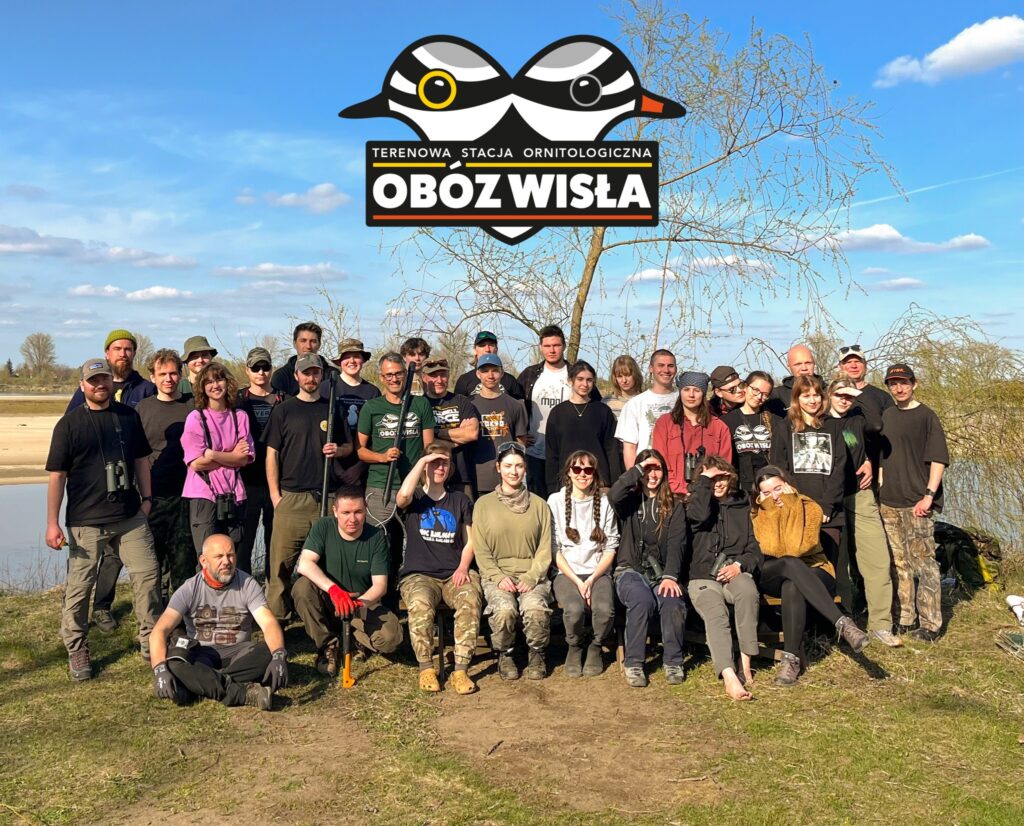
An inseparable and key element of nature conservation is education, which we carry out in various ways. Each year, around 300 volunteers actively participate in our work, and we also host organized groups for classes and workshops. We share the results of our efforts, along with photos, on social media. Outside the fieldwork season, we organize lectures and meetings that promote the natural heritage of the Middle Vistula.
Organisation
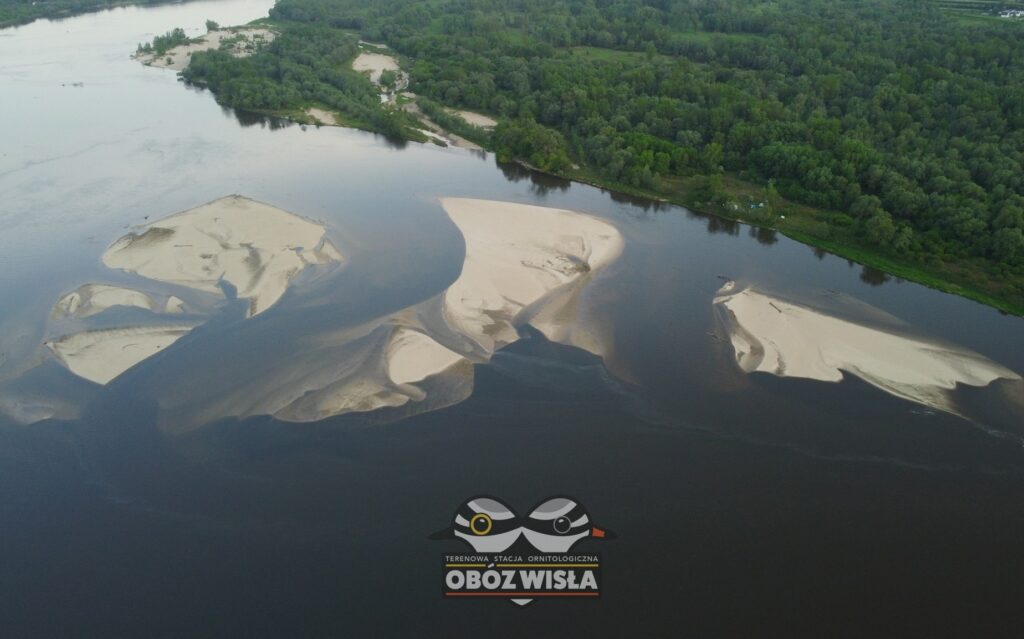
Vistula Camp is located on the largest island of the Vistula River – Rembezy Island and our activities cover mainly the section of the river from the mouth of the Pilica to Warsaw. The current organizers are the “Na Skrzydłach” Nature Conservation Foundation and the Ornithological Section of the Forestry Students’ Scientific Association at Warsaw University of Life Sciences.
The organizing team consists of:
- Jan Rapczyński
- Magdalena Naber
- Magda Sitko
- Maria Raczkowska
Support us!
If you’d like to support our initiative and contribute to the research we’re conducting, you can treat us to a symbolic coffee at buycoffee.to/obozwisla.
Even a small, symbolic gesture of support helps us continue to grow and develop our work!
Contact us
You can find us on Facebook and Instagram.
If you have a question or would like to get in touch, the best way is to send us an email: tso.obozwisla@gmail.com